

Preventative Maintenance for Apartment Communities
For a property manager, paint and flooring are not cosmetic line items - they are levers on net operating income. Every day a unit sits in make-ready is a day of lost rent, and every corridor that looks tired signals deferred maintenance to prospects touring the community. This post lays out a preventative maintenance approach to interior finishes that keeps unit turns fast, common areas leasable, and capex predictable across a property portfolio.
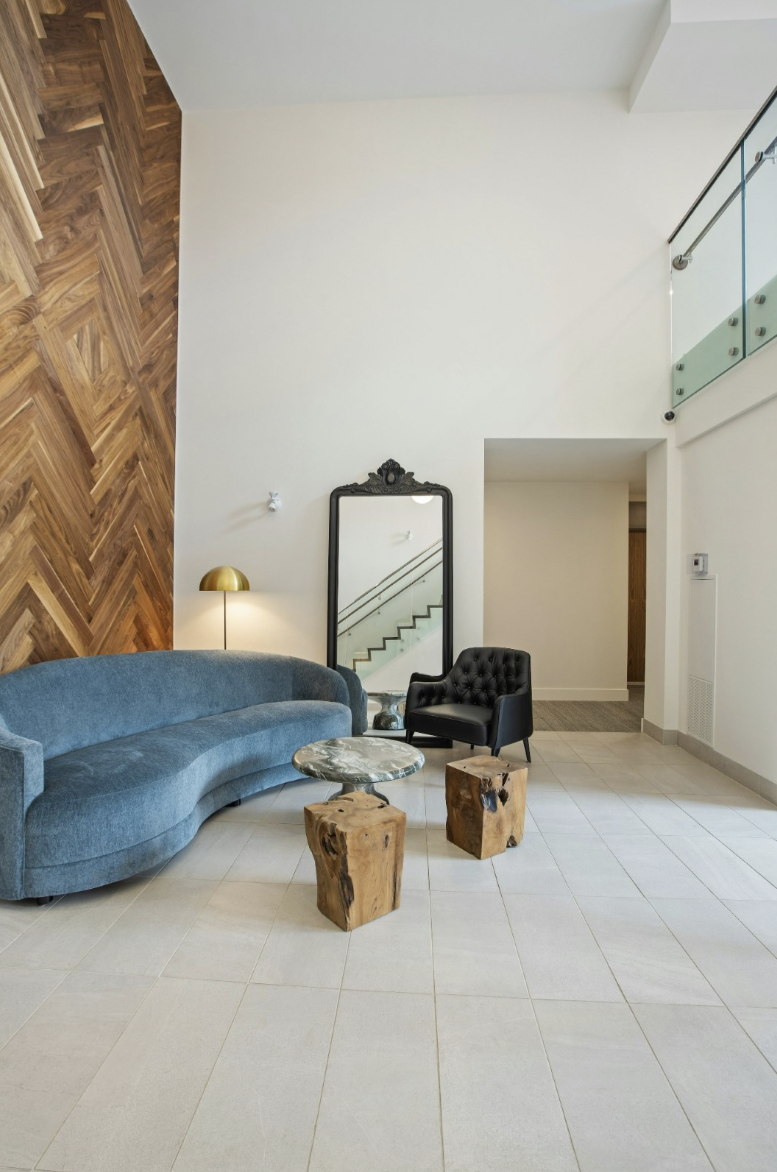
Turn work vs. planned capital improvements
There are two distinct spend categories, and treating them the same is where budgets go sideways.
Make-ready (turn) scope is the repeatable per-unit work between residents: wall touch-ups or full repaints, drywall patching, and flooring repair or replacement. The goal is speed and consistency, not customization.
Planned capital improvements are portfolio-level projects on a cycle: corridor and common-area repaints, amenity refreshes, and full-floor covering replacement. These are budgeted in advance and scheduled to minimize resident disruption.
The single biggest efficiency gain is standardizing specifications across both categories - one paint system, one trim profile, and a defined set of floor-covering SKUs. Standardization compresses make-ready cycle times, simplifies re-ordering, and lets a painting crew move through units without re-scoping each one.
A realistic repaint cycle for common areas
High-traffic corridors, lobbies, and stairwells in multifamily properties typically warrant a repaint every 3–5 years, driven by scuffing, hand-oil at wainscot height, and salt-and-grit tracked in over our long winters. Specifying a scrubbable, higher-sheen coating (eggshell or satin) at wall level and semi-gloss on trim and door frames extends the interval and makes spot-cleaning viable between full repaints.
For per-square-foot planning, standard two-coat interior repaint work in this market runs roughly $2.50 to $5.00 per square foot of paintable surface - corridors and common areas trend toward the lower end because they are open, repetitive, and trim-light.
High-traffic drywall: patch smart, not twice
Multifamily drywall takes abuse - door-knob impacts, furniture-move gouges, corner-bead damage at every hallway turn, and nail pops from seasonal framing movement. The maintenance strategy is to repair in a way that will not telegraph through the next coat of paint:
Small dings and pops: cut, refasten, and skim - a standard repair runs $150–$500.
Water-involved damage (ice dams, plumbing failures): expect $500–$1,500 per affected area, because the fix includes moisture verification and often insulation.
Full board replacement: roughly $300–$600 per panel including hang, tape, texture, and paint. New drywall hang-and-finish in this market runs $1.50–$3.50 per square foot.
Installing corner guards at high-impact turns is a low-cost preventative measure that pays back over multiple turn cycles.
Flooring that survives Minnesota
Floor covering choice is a durability decision first and an aesthetic one second. In a cold-weather, salt-and-snow environment:
Luxury vinyl plank (LVP) is the workhorse for units and corridors - waterproof, scratch-resistant, and fast to replace plank-by-plank without a full re-floor.
Carpet remains cost-effective for bedrooms but has the shortest replacement cycle and the highest turn-over labor.
Tile suits entries and wet areas where grit and moisture concentrate.
Standardizing one or two LVP SKUs across a portfolio means damaged planks can be swapped from inventory rather than triggering a full-room replacement - a direct hit to per-turn cost and vacancy days.
The NOI case for standardization
When paint systems, trim profiles, and flooring SKUs are consistent across a portfolio, three things happen: make-ready cycle times drop, maintenance spend becomes predictable, and vacancy days shrink because units turn faster. Fewer vacant days and lower repeat-maintenance spend flow straight to NOI. That is the real return on a disciplined finishes program - not the paint color, but the operating math behind it.
Let's build your portfolio spec
We work with property managers across the Minneapolis / St. Paul Metro to standardize make-ready and capital finish specifications, then execute turns and common-area projects on your schedule with our crews.
Schedule a portfolio finishes consultation
Disclaimer: Pricing ranges presented in this article reflect 2026 Twin Cities market conditions and are for planning purposes; every project is quoted after an on-site assessment.